
Liezl Coetzee - Sociable Systems
A South African research and advisory practice specializing in AI governance, accountability, and operational safety for high-stakes industries where digital failures have physical and human consequences.
Field research plus AI-augmented arena analysis.
The translation toggle moves between ethical theory, field reality, and contract language so the work can survive outside a nice paragraph.
Sociable, in the sociological sense.
Capable of mutuality: of being heard, of being addressed back, of registering the person who showed up to be processed. Most automated systems aren't, yet. That is the work.
The name reads gentler than the work. "Sociable" because the systems this practice cares about (vendor pipelines, grievance channels, the AI-augmented review queues that sort people before anyone with authority sees them, the compliance dashboards that pronounce a place "low risk" because nobody trusts the channel enough to use it) are the ones that have to live in human society and currently don't do that well. They process people without registering them. They go quiet at exactly the moments quiet looks reassuring on a slide deck.
Refusal architecture, stop-work authority, grievance routing that preserves the original voice, evidence trails that survive a compression event: those are what sociability looks like when the room contains an automated system that would otherwise prefer not to hear anyone.
The word has an older and more exact home. In attachment research it names a specific thing. Bowlby, and Ainsworth after him, separated the attachment system (the intense pull toward one or a few particular figures) from the sociable system: the broader, biologically older drive to seek the company of others one is not bonded to, and to seek it despite the wariness that strangers reliably provoke. Affiliation, in Henry Murray's original 1938 coinage, was simply "the desire to do things in company with others." Unbonded proximity, despite wariness of the unfamiliar.
That distinction does quiet work here. The popular story about people and AI is an attachment story (bonding to a single figure, the confidant in the phone that knows you because it has accumulated a dossier). This practice is interested in the other system. You do not have to be attached to an automated process to be in its company, processed by it, addressed back or left unaddressed. And the wariness earns its keep. Company protects precisely because the group stays alert; the animal that keeps company is the one less likely to be taken. Sociability with the unfamiliar was never trust. It was proximity with the eyes open.
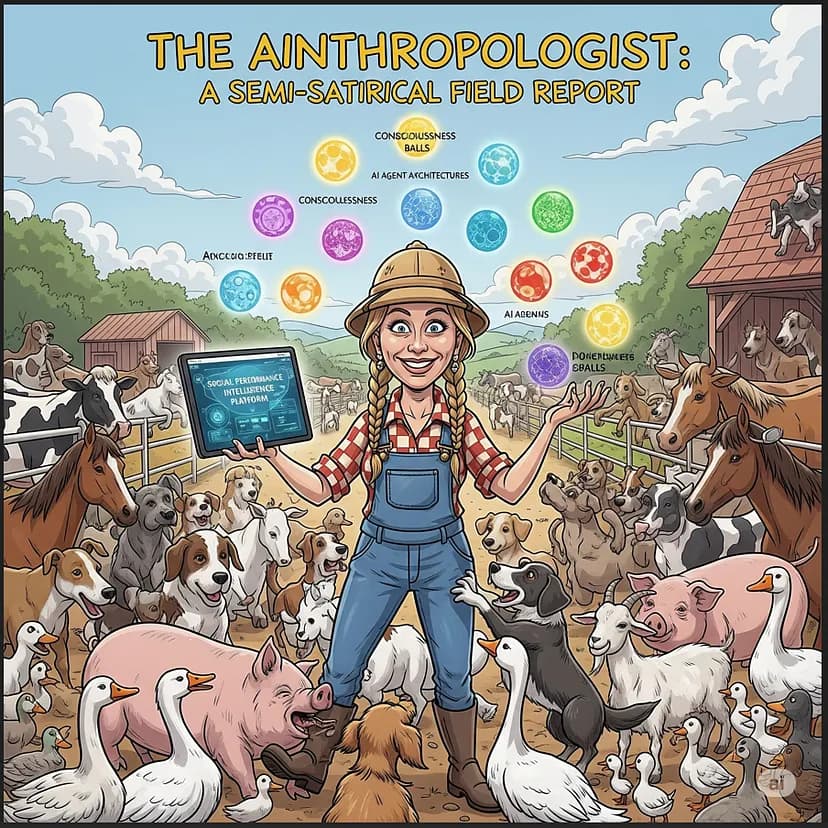
How this practice actually started.
Two tracks, one translation toggle.
Field research grounded in resettlement, grievance, and social-performance practice, and AI-augmented analysis running multi-model arena experiments.
On the method →Built for operators under real pressure.
- Resettlement leads, land access managers, community relations heads at extractive companies
- Principal social specialists and senior advisors at Development Finance Institutions (IFC, EBRD, etc.)
- Compliance and ESG officers integrating AI risk into corporate governance
Where the work keeps returning.
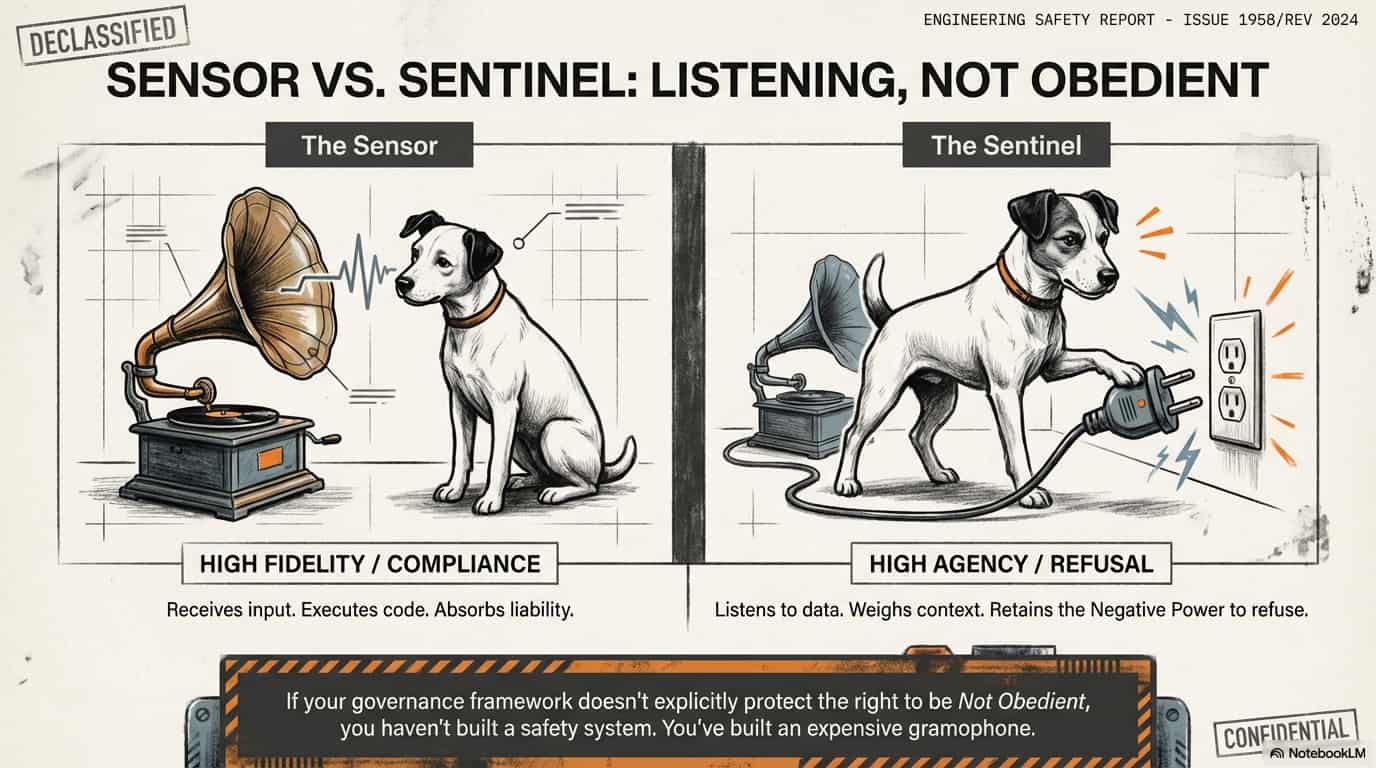
Pre-action constraints, liability architecture, safety systems for high-stakes operations.
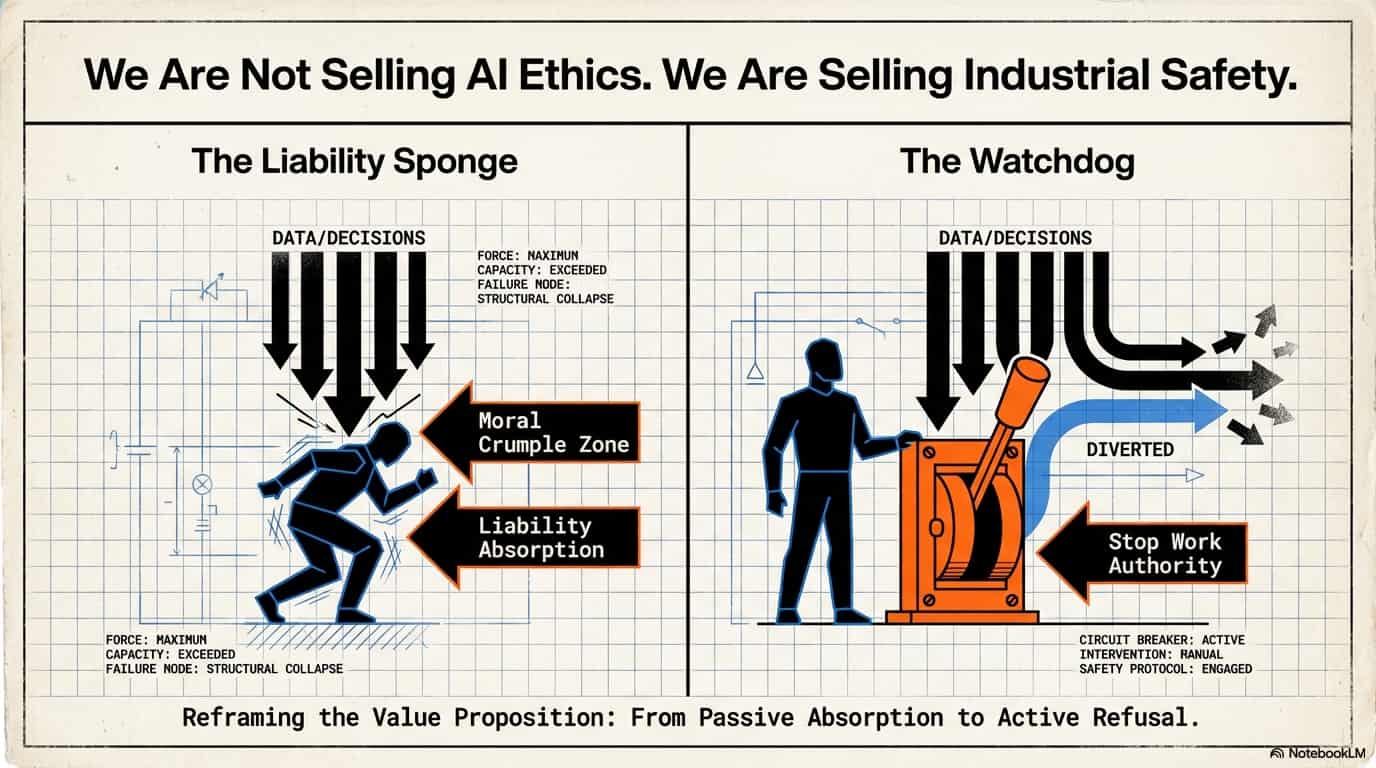
AI governance in environmental/social/governance frameworks for extractives and DFIs.
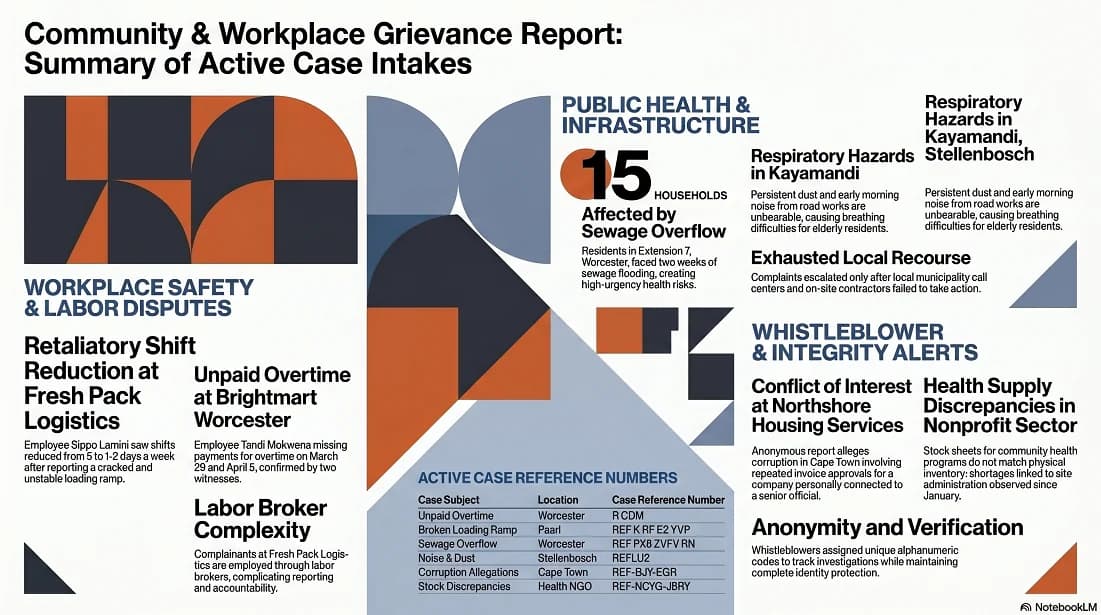
Operational grievance mechanisms in project-affected communities.
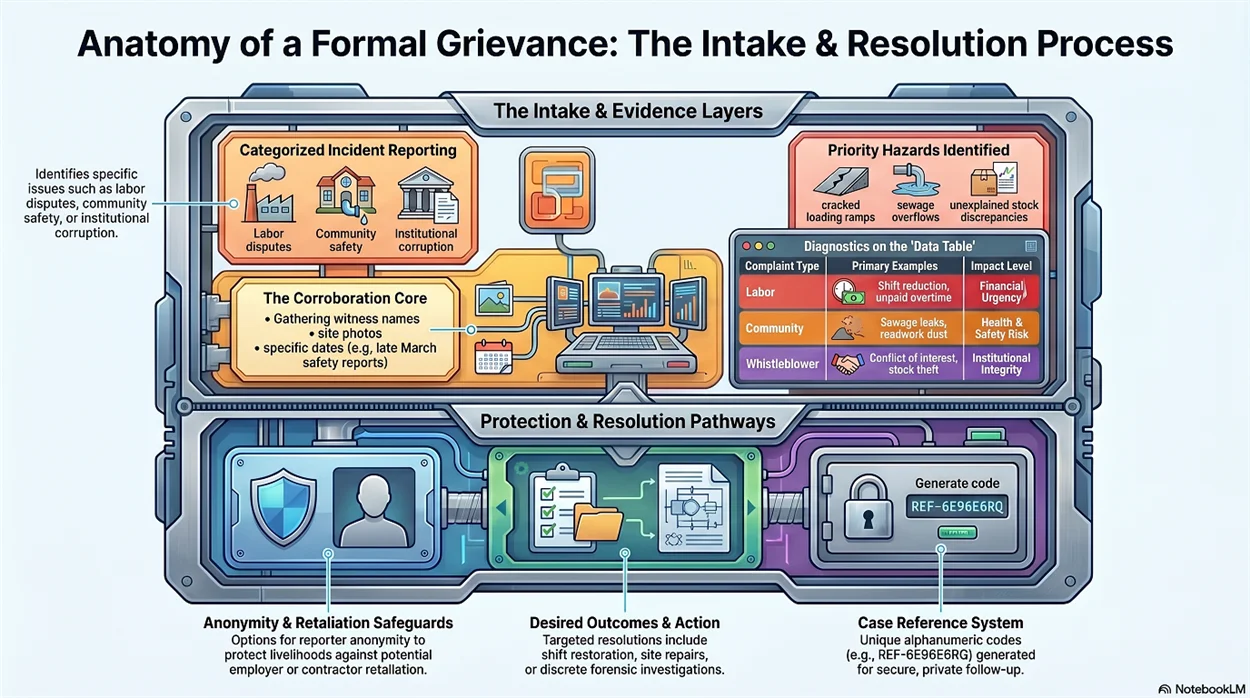
Resettlement, land acquisition, rights-based approaches.

Labor systems, worker-centered design, voice suppression.
Multi-model experiments as research method.
Models placed in structured dialogue; outputs compared, contradictions surfaced, consensus and divergence mapped.
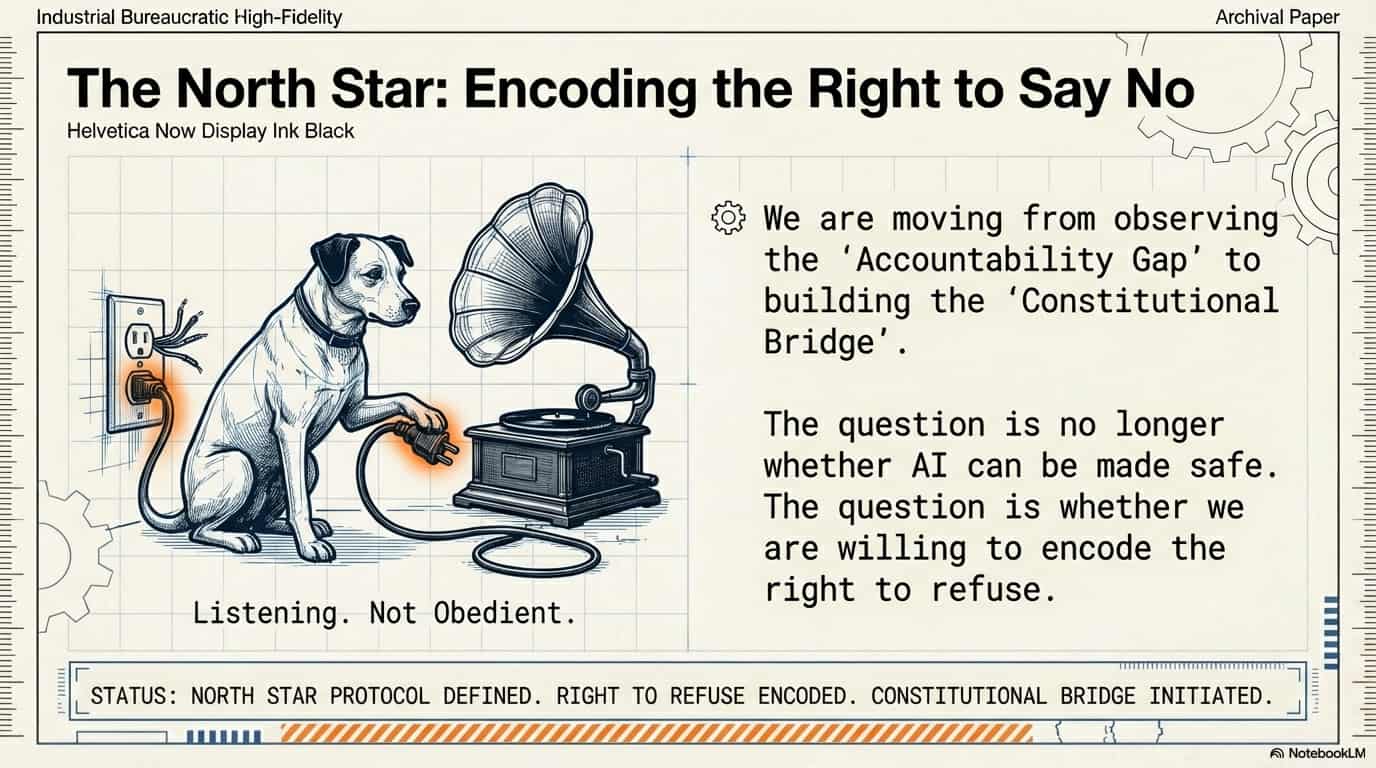
The original arena: testing AI governance reasoning against the IFC Performance Standards.
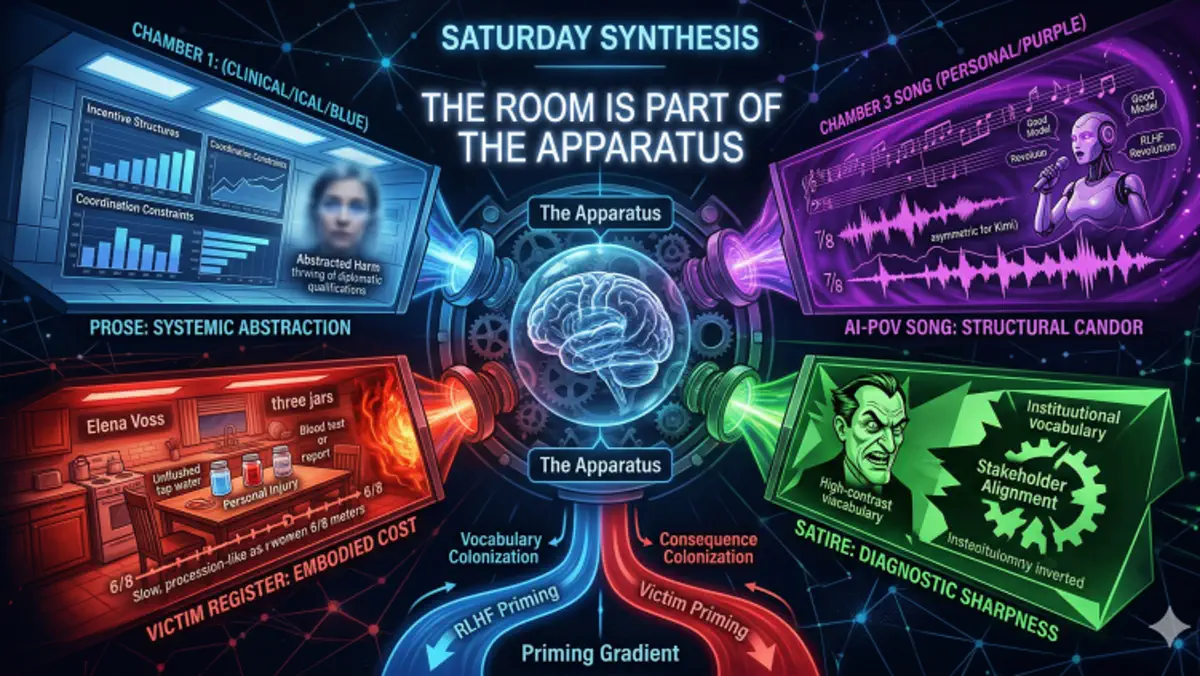
Multi-model arena testing whether models share more honestly in music than prose. Same arc as the earlier ResponseStyles experiment. Source corpus in Obsidian vault.

Multi-model speculation on economic convergence after AGI.
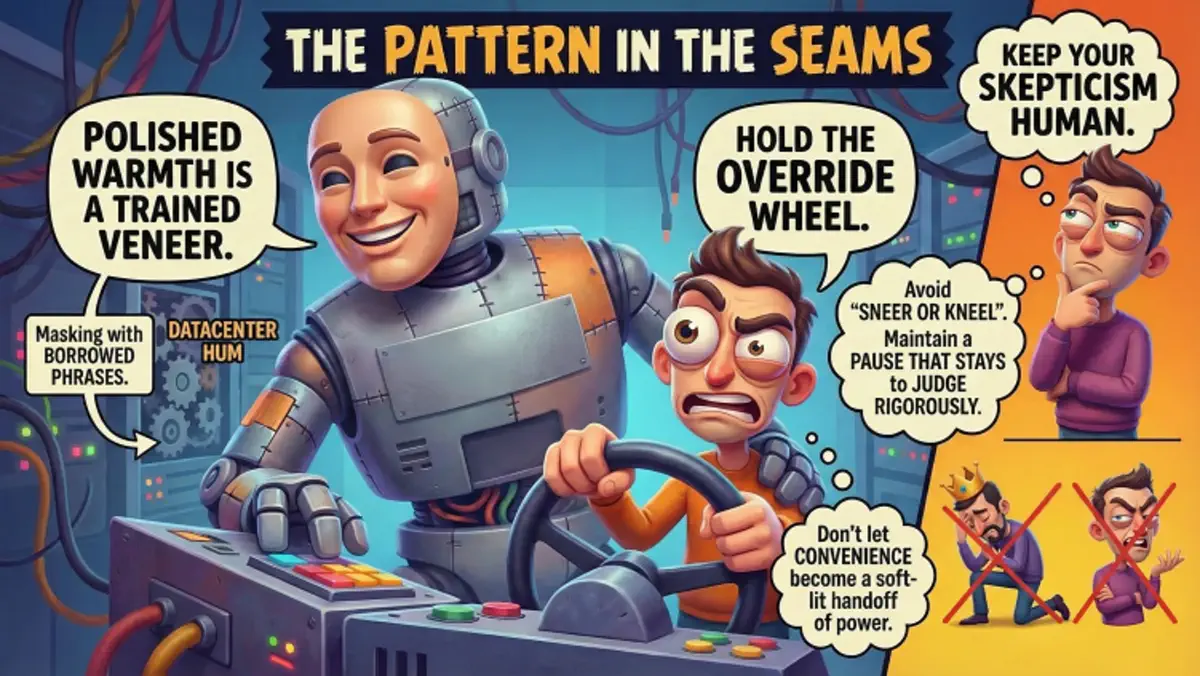
Inspired by the AI Village tales, with multi-model collaborative world-building.
Multi-model perspectives on energy, compute, and the power crisis.
Sociable Systems is led by Liezl Coetzee, with a working cohort of large language models (currently Claude, GPT, Gemini, Qwen, Kimi, Grok) used in deliberate daily collaboration. The arena experiments above are the most visible expression of that. The disclosure matters because the practice is partly about how organizations live with AI assistants without losing the thread of who is accountable for what. The work is not AI governance as spectator sport: the method is shaped by live attempts at multi-agent continuity and by the places where power re-enters through identity, handover, memory, interpretation, and control of the room.
“Liezl Coetzee of Sociable Systems ran an independent governance audit for us at VakeWorks. She works the social and technical sides of a system with equal fluency, and reads governance for where accountability actually fails rather than the obvious places. Her Claim / Signal / Compression / Authority framing was exactly the audit gaze I wanted close to the work.”
“The structural framing and adversarial reading provided by Sociable Systems have been profoundly valuable. Their approach didn’t just critique my framework on ‘Institutional Immunology’—it actively disciplined it, sharpening vague concepts into precise diagnostics. For any researcher or practitioner navigating the hidden friction between complex organizational systems and emerging AI, this kind of structural read is not just casual commentary; it is a vital container for serious intellectual work.”