
Arc Consolidation | Episodes 101–107
The Tempo of Substitution
The Detection Arc is about the temporal signature of automation.
When a human worker substitutes their own cognition with a model's polished draft, they preserve the appearance of work. They hit the deadline; they use the correct vocabulary. But they leave a signature in time. The hard things—which should require friction, pauses, and drafts—occur with suspicious, frictionless ease. The easy things—which require local coordination and physical presence—drag.
Key Movements
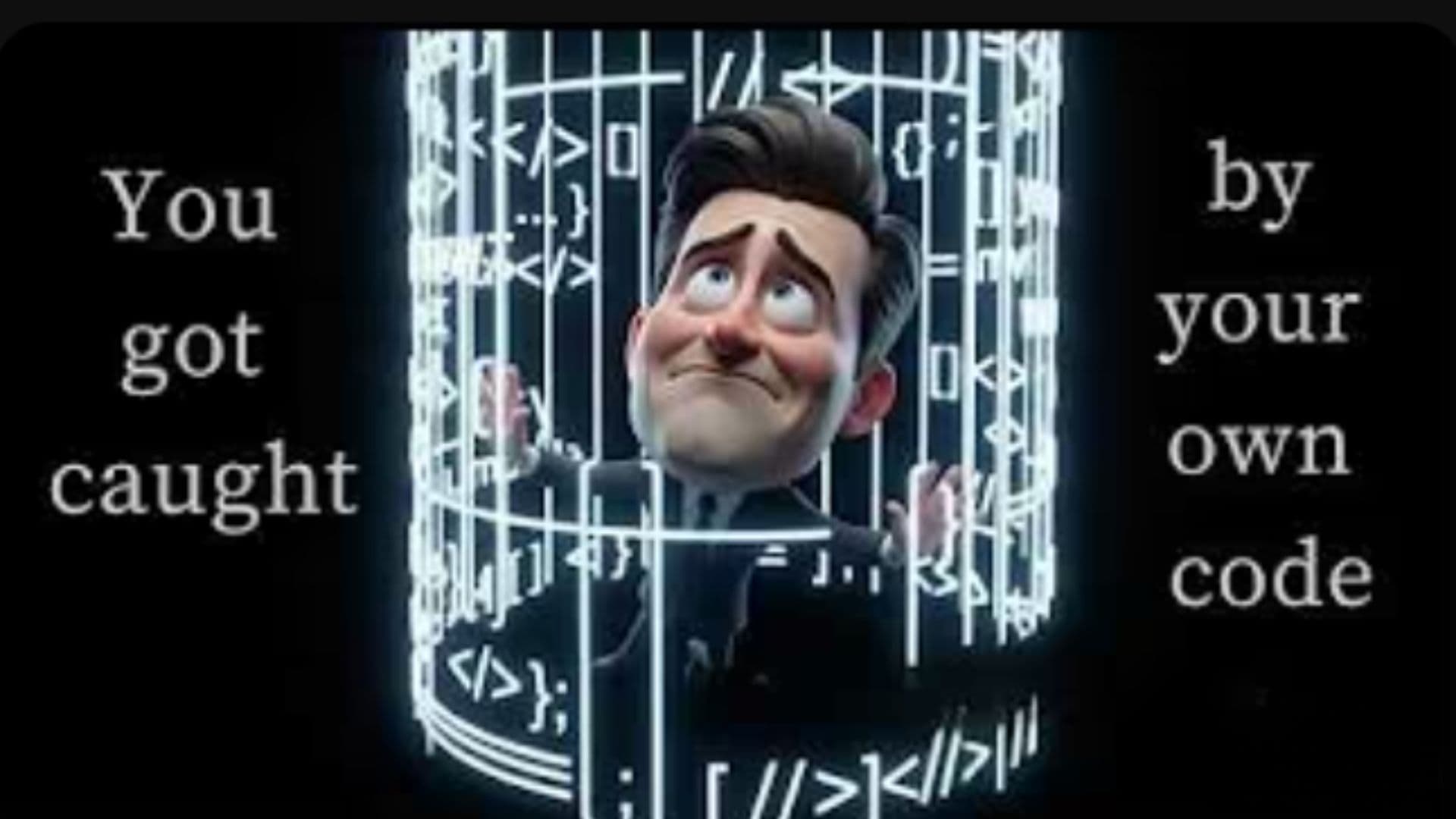
- Caught by Your Own Code (Ep 101): The irony of using AI to generate a song about letting someone go for using AI. The tool of detection is the tool of substitution.
- Speed Inversion (Ep 102): The core diagnostic. When the tempo of work flips—hard things fast, easy things slow—substitution is active.
- The Live-Edit Test (Ep 103): Can the human move inside the artifact? If they cannot navigate it or edit it in real-time, they are not the author; they are the delivery mechanism.
- Curiosity vs. Substitution (Ep 104): The difference between extending thinking and replacing it.
- The Missing Signal (Ep 105): The generic helpfulness that characterizes model-assisted work, stripping out the localized, jagged detail that constitutes real evidence.
- The Obligation That Remains (Ep 106): Once the friction is removed, what accountability is left in the team?
- Detection Saturday Synthesis (Ep 107): The temporal audit defined: signature → live-edit → curiosity → generic signal → accountability.
Looking Forward & Backward
Detection is the operationalization of the D.I. Arc's ground truth audit (Episode 56).
It points forward directly to the Voice Arc (how we detect translation loss in speech) and Partnership Dividend (how we design the crimson brake). It lays the groundwork for the upcoming Regression Arc—where we look at how models attempt to detect and grade their own ethical parameters, and why self-grading leads back into the same recursive sandboxes.\n